Creating Connection: Building Community in Education
Education is not just about imparting knowledge; it's about creating connections. In today's fast-paced world, the importance of building a strong community within educational settings cannot be overstated. A sense of belonging and connection can significantly enhance the learning experience for students, educators, and families alike. This blog post explores the various ways to foster community in education, the benefits of doing so, and practical strategies to implement these ideas effectively.

Understanding the Importance of Community in Education
The Role of Community in Learning
Community plays a crucial role in the educational process. When students feel connected to their peers and teachers, they are more likely to engage actively in their learning. A supportive community fosters:
Collaboration: Students learn to work together, share ideas, and support one another.
Motivation: A strong sense of belonging can motivate students to strive for academic success.
Emotional Well-being: Feeling connected reduces anxiety and promotes a positive school experience.
Benefits of a Strong Educational Community
Building a community in education has numerous benefits, including:
Improved Academic Performance: Students in supportive environments tend to perform better academically.
Enhanced Social Skills: Interaction within a community helps students develop essential social skills.
Increased Retention Rates: Students who feel connected are less likely to drop out of school.
Strategies for Building Community in Education
1. Foster Open Communication
Creating an environment where open communication is encouraged is vital. This can be achieved through:
Regular Meetings: Hold regular meetings with students, parents, and staff to discuss concerns and celebrate achievements.
Feedback Mechanisms: Implement anonymous feedback systems to allow everyone to voice their opinions comfortably.
2. Create Collaborative Learning Opportunities
Encouraging collaboration among students can strengthen community ties. Consider the following approaches:
Group Projects: Assign projects that require teamwork, allowing students to learn from each other.
Peer Mentoring: Pair older students with younger ones to foster relationships and support.
3. Organize Community Events
Community events can bring everyone together and create a sense of belonging. Ideas include:
Family Nights: Host events where families can participate in activities together, such as game nights or potlucks.
Volunteer Opportunities: Organize community service projects that allow students and families to give back together.
4. Utilize Technology to Connect
In today's digital age, technology can play a significant role in building community. Use tools such as:
Online Forums: Create online spaces where students and parents can discuss topics and share resources.
Social Media Groups: Establish private groups for parents and students to connect and share experiences.
5. Celebrate Diversity
Acknowledge and celebrate the diverse backgrounds of students and families. This can be done through:
Cultural Events: Organize events that highlight different cultures and traditions within the school community.
Inclusive Curriculum: Ensure that the curriculum reflects the diversity of the student body.
Case Studies: Successful Community Building in Education
Example 1: A Local High School
A high school in a suburban area implemented a peer mentoring program that paired seniors with freshmen. This initiative not only helped freshmen acclimate to high school life but also fostered lasting friendships. As a result, the school saw a significant increase in student engagement and a decrease in dropout rates.
Example 2: An Urban Elementary School
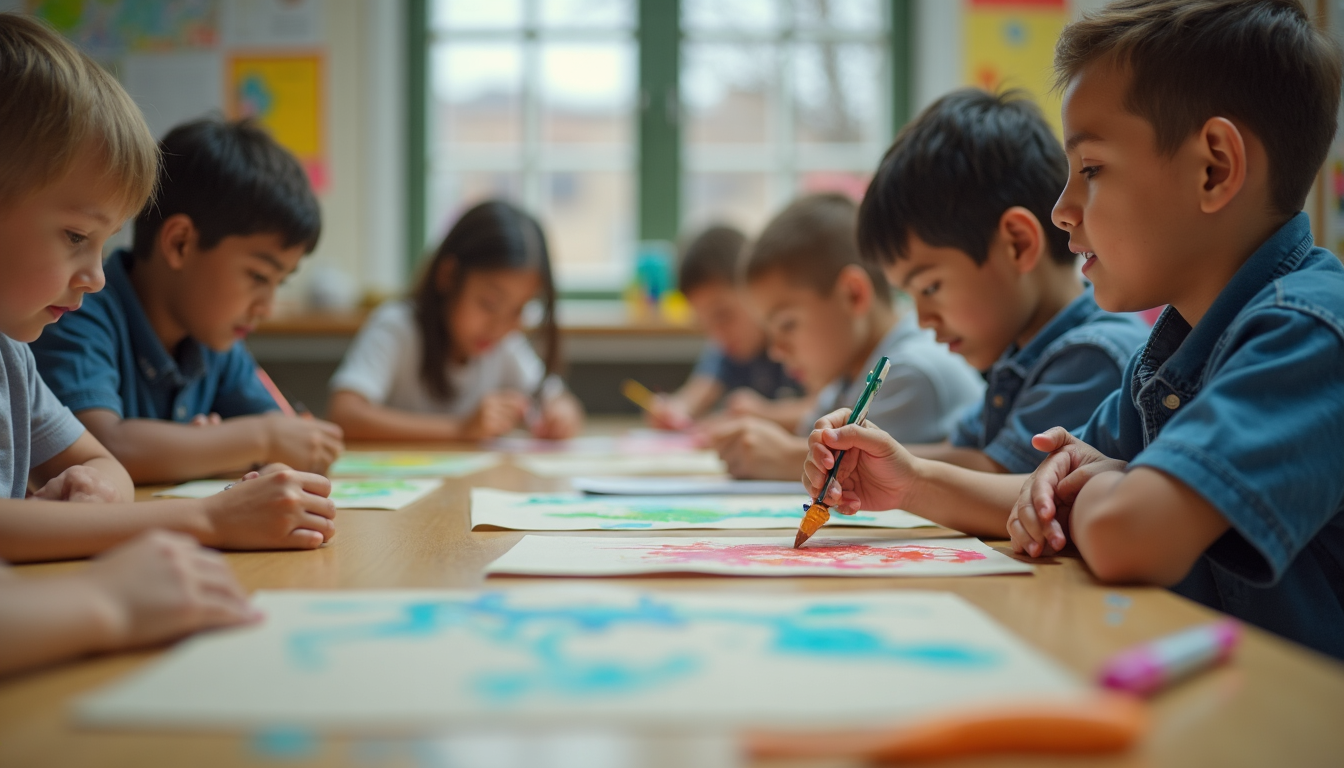
An urban elementary school organized a monthly family night where parents and students participated in various activities, including art projects and science experiments. This initiative strengthened relationships between families and the school, leading to improved communication and collaboration.
Challenges in Building Community
While the benefits of building community in education are clear, challenges can arise. Some common obstacles include:
Time Constraints: Educators and families often have busy schedules, making it difficult to participate in community-building activities.
Resistance to Change: Some individuals may be hesitant to embrace new initiatives or ideas.
Overcoming Challenges
To address these challenges, consider:
Flexible Scheduling: Offer events at various times to accommodate different schedules.
Involve Stakeholders: Engage students, parents, and staff in the planning process to ensure buy-in and support.
Conclusion
Building a strong community in education is essential for fostering a positive learning environment. By implementing strategies such as open communication, collaborative learning, and community events, educators can create connections that enhance the educational experience for everyone involved. The journey may have its challenges, but the rewards of a connected community are well worth the effort.
As we move forward, let’s commit to creating spaces where every student feels valued and connected. Together, we can build a brighter future for education.

Comments